

Controlling the internal heat of a concrete mix is a technical requirement that has a significant impact on the final product. While traditional methods like ice or chilled water have served the industry for decades, the shift toward temperature controlled concrete systems utilizing liquid nitrogen (LN) is redefining what is achievable on the job site. As a leader in this space, NITROcrete has pioneered automated concrete cooling systems that harness the unique properties of liquid nitrogen to deliver precision, safety, and efficiency.
The Technology: How It Works
Concrete generates heat as it cures through a chemical process called hydration. In mass concrete pours, this heat can build up internally, creating a significant temperature differential between the core and the surface, leading to thermal cracking and long-term durability issues.
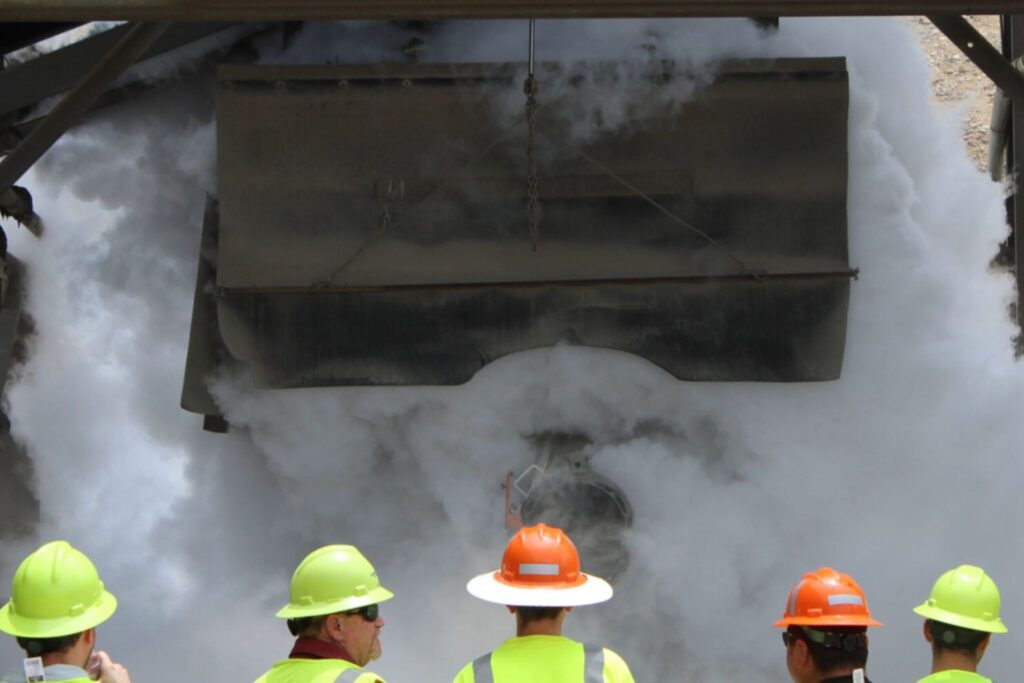
Unlike ice, which must melt to provide cooling (often adding unwanted water to the mix design), liquid nitrogen is a cryogenic fluid with a boiling point of -196°C. When injected directly into the aggregate or the mix, it transitions from a liquid to a gas, absorbing massive amounts of heat instantly without altering the water-to-cement ratio.
Use-Cases for Cryogenic Cooling
- Mass Concrete Pours: Essential for dams, bridge footings, and skyscraper foundations where core temperatures must be strictly managed.
- Hot Weather Concreting: Allows for continuous pouring even when ambient temperatures exceed 100°F.
- High-Strength Mixes: Facilitates the use of high-cement-content mixes that would otherwise generate excessive heat.
Why Liquid Nitrogen?
Financial Efficiency
Traditional cooling methods often involve significant hidden costs, including the labor required to handle hundreds of bags of ice and the potential for rejected loads if a truck arrives at the site over the specified temperature. LN systems integrate directly into the batching process, meaning there is no waiting for ice to arrive or melt. Precision dosing ensures every load meets the spec, virtually eliminating the financial risk of wasted concrete.
Timeliness and Productivity
Automated cooling allows for faster batching and pouring cycles. Because the cooling happens during the batching process rather than as a secondary step, producers can maintain high output rates even in the middle of a summer heatwave. This ensures projects stay on schedule, regardless of external environmental factors.
Sustainability and Environmental Impact
The shift to liquid nitrogen is a win for the planet. A third-party life cycle analysis revealed that NITROcrete systems can reduce CO2 emissions by up to 83% compared to conventional ice cooling. LN eliminates the need for thousands of single-use plastic ice bags that end up in landfills, and the system utilizes roughly 66% less energy than the industrial refrigeration required to produce and transport massive quantities of ice.
Safety and Labor Wellness
Manual ice cooling is physically demanding and prone to injury. Workers must lift heavy bags and climb onto trucks, increasing the risk of slips, trips, and falls. By delivering LN as a “liquid admixture,” worker interaction with the cooling agent is minimized. Additionally, NITROcrete technology produces 87% less particulate matter on-site compared to traditional cooling methods, contributing to a cleaner, safer breathing environment for the crew.
Conclusion
As infrastructure projects grow in complexity and environmental regulations tighten, the construction industry must look toward smarter technologies. By integrating automated concrete cooling systems into your workflow, you can invest in the longevity of the structure and the efficiency of your business.
For more information on how to implement temperature controlled concrete systems on your next project, contact our team of analysts today.